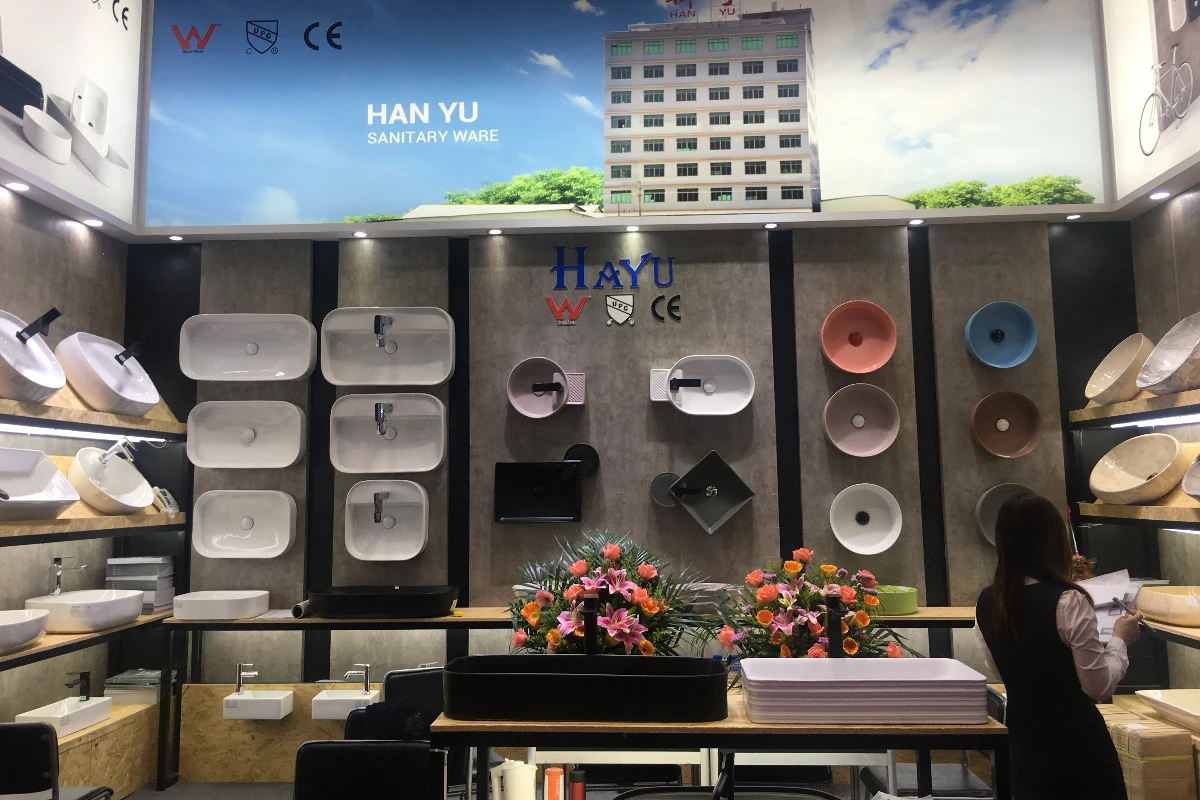
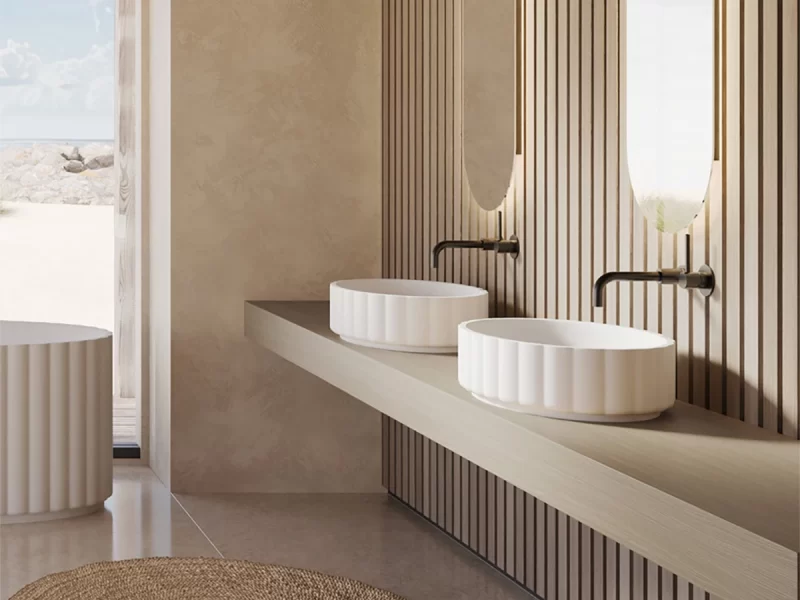
Quando se escolhe o material para os lavatórios, não se deve focar apenas nas suas cores decorativas, mas também compreender o desempenho dos vários materiais. Existem muitos tipos de materiais de lavatório no mercado, como a pedra artificial, o mármore, a pedra microcristalina, a pedra sinterizada, a cerâmica, etc. Então, quais são os materiais para lavatórios na decoração de casas novas? Como os escolher?
I. Lavatório de pedra artificial
Os lavatórios de pedra artificial são formados por moldagem a alta temperatura e alta pressão num molde. Quanto ao aspeto, há mais estilos e são mais bonitos.
Vantagens: Elevada planura da superfície, bom brilho, baixa taxa de absorção de água; e o produto tem uma forma requintada com uma forte atmosfera artística.
Desvantagens: É facilmente riscado por fricção, tem uma fraca resistência às intempéries e pode tornar-se amarelo ou desvanecer-se durante um longo período de tempo.
II. Lavatório em mármore
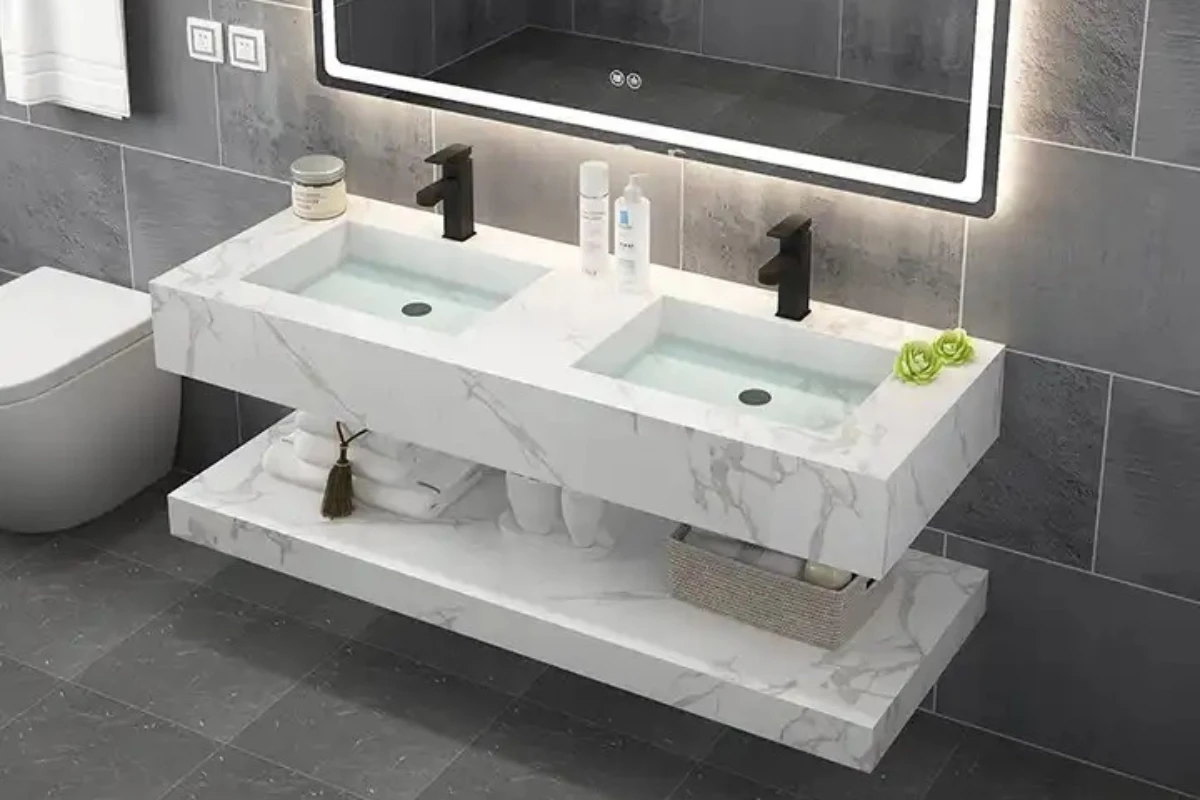
Geralmente, os lavatórios de mármore são feitos de materiais naturais e formados como um todo mais tarde. O lavatório completo dá uma sensação muito simples e natural e tem um bom efeito decorativo.
Vantagens: Elevado nível de aparência, forte plasticidade, e o mármore tem uma radioatividade muito baixa, elevada dureza e excelente resistência ao desgaste.
Desvantagens: Caro, a textura tem tendência para rachar, não pode ser atingido por objectos pesados e o mármore de cor escura tem tendência para apresentar manchas de água.
III. Bacia de pedra microcristalina
Os lavatórios de pedra microcristalina são fabricados a partir de minerais inorgânicos naturais, como o quartzo, e de matérias-primas químicas, como a alumina. É um novo tipo de acessório de casa de banho ecológico e de alta qualidade no mundo atual.
Vantagens: Rico em cores; isento de elementos radioactivos; possui excelentes propriedades antipoluição, o que facilita a limpeza e a manutenção; taxa de absorção de água extremamente baixa.
Desvantagens: Fraca resistência ao desgaste, propensa a arranhões; falta a beleza natural da pedra natural; as placas de grandes dimensões são propensas a deformações e podem ser escorregadias.
IV. Bacia da Placa de Rocha
Os lavatórios integrados de placa de rocha têm sido bastante populares nos últimos dois anos. Em comparação com os lavatórios tradicionais de cerâmica, o lavatório integrado de placa de rocha tem uma textura mais sofisticada, combinando estética e praticidade.
Vantagens: Alta tenacidade, alta dureza, forte resistência ao impacto e resistência ao calor; a taxa antibacteriana e antifúngica atinge 99%; baixa taxa de penetração.
Desvantagens: Preço mais elevado; opções de cores limitadas para a superfície da laje; suscetível de se danificar durante o transporte devido à sua espessura reduzida.
V. Bacia de acrílico
O acrílico é um novo tipo de material que é melhor do que a cerâmica para o fabrico de lavatórios. Quando utilizado como lavatório, é normalmente um design integrado do lavatório e da bancada.
Vantagens: No geral, é muito brilhante, fácil de limpar, não se risca facilmente, é fácil de reparar e não dá a sensação de frio no inverno.
Desvantagens: Tem um forte toque de plástico e não é de alta qualidade. A sua resistência ao calor e à pressão é relativamente fraca, a dureza da superfície é baixa e tem tendência a desvanecer-se.
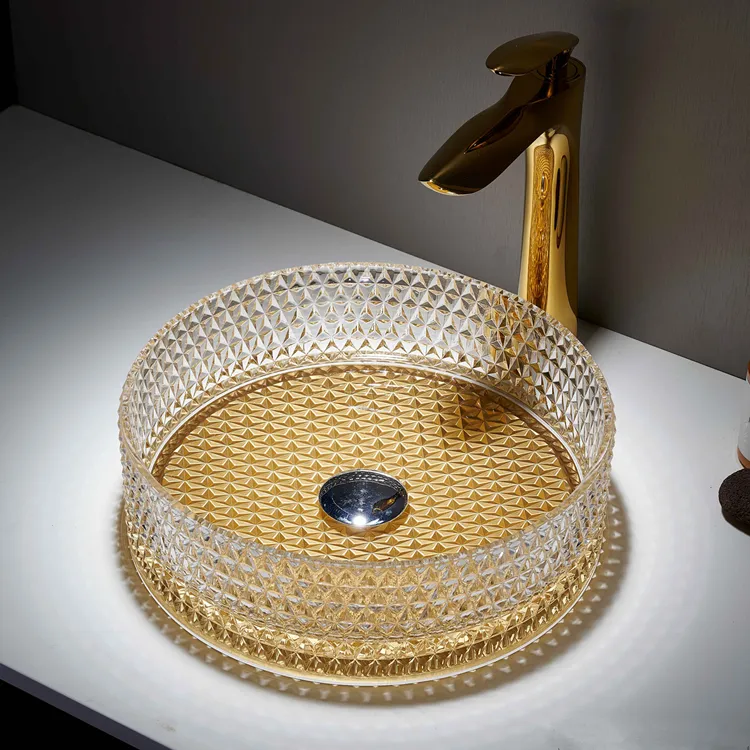
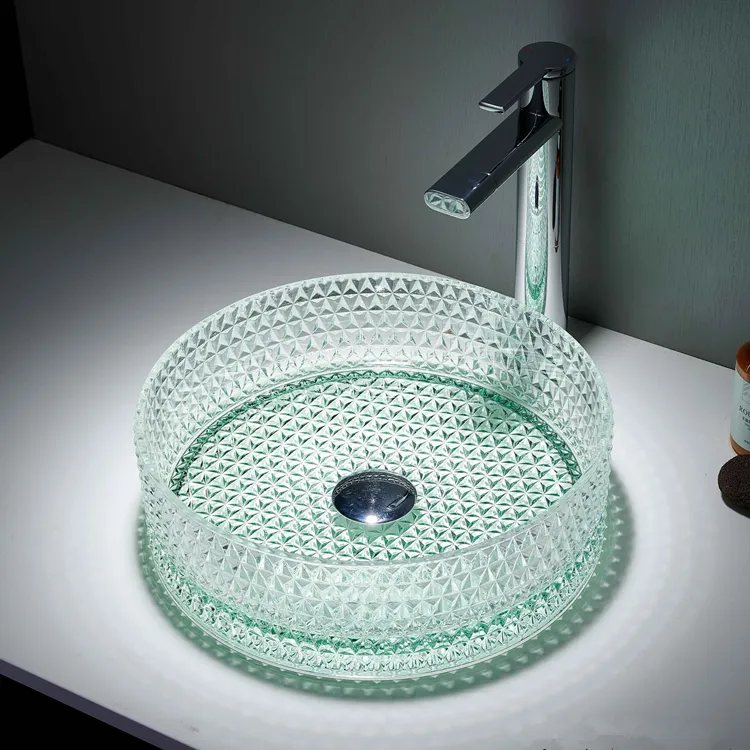
VI. Bacia de vidro
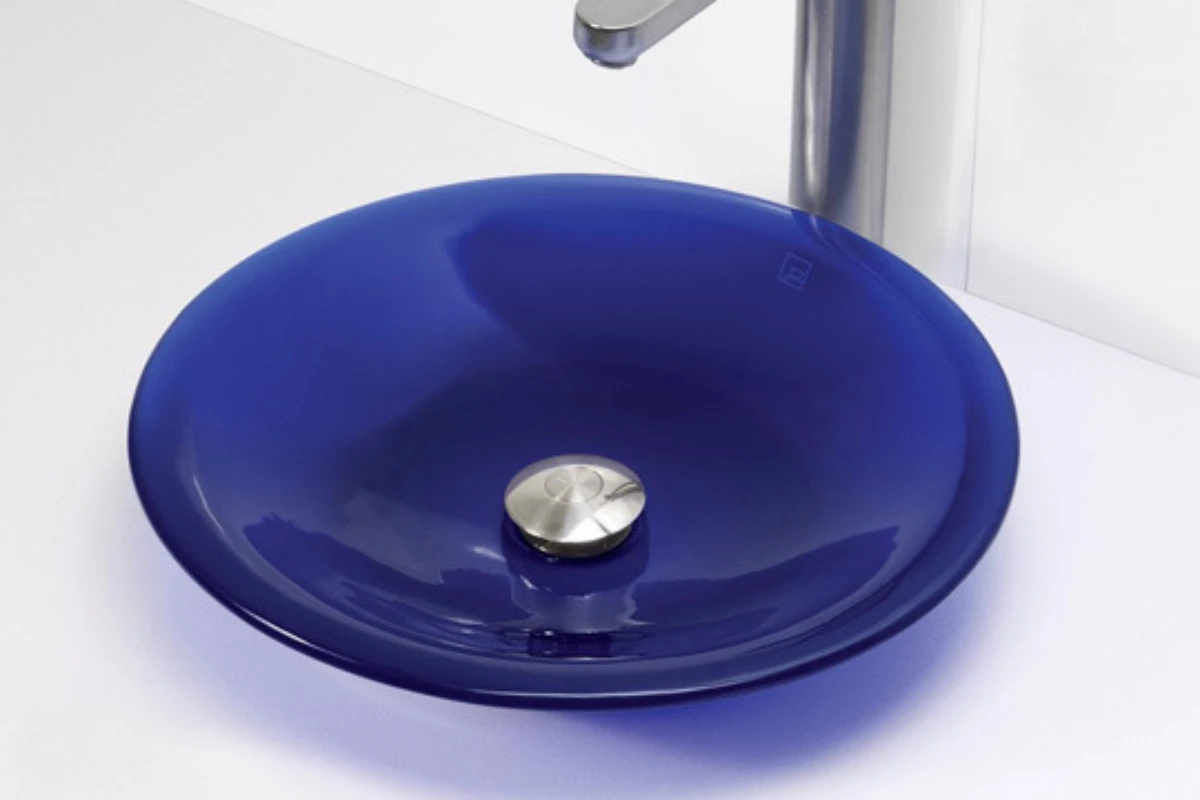
Os lavatórios de vidro têm a sua resistência muito reforçada após serem submetidos a um tratamento de têmpera.
Vantagens: Tem uma forte capacidade anti-manchas, é fácil de limpar e está disponível em vários estilos e desenhos, o que torna a sua escolha conveniente para clientes com necessidades diferentes.
Desvantagens: É propenso a acumular sujidade e não é fácil de limpar e manter. Além disso, após um longo período de tempo, não estará tão limpo e brilhante como quando foi comprado recentemente.
VII. Bacia do Cobre Puro
Nos tempos antigos, as pessoas usavam lavatórios de cobre para lavar o rosto, e os seus rostos ficavam tão suaves como creme sem aplicar qualquer maquilhagem. A ciência moderna demonstrou que os utensílios de cobre podem complementar os oligoelementos de que o corpo humano carece.
Vantagens: Tem um bom efeito de esterilização, pode inibir o crescimento de bactérias e ácaros, e não é fácil de ser danificado, com uma longa vida útil.
Desvantagens: Quando exposto à água quente e ao oxigénio durante muito tempo, sofrerá uma reação química e a bacia ficará preta com o tempo.
VIII. Bacia de aço inoxidável
Os lavatórios de aço inoxidável são feitos de materiais sólidos e espessos de aço inoxidável. O aço foi altamente refinado e é menos utilizado na decoração de casas, mas mais em locais públicos.
Vantagens: Fácil de limpar, bom efeito à prova de humidade, boa permeabilidade ao ar, durável, ecológico e amigo do ambiente.
Desvantagens: Em comparação com as bacias de cerâmica ou de vidro, tem menos valor decorativo e o estilo é relativamente simples. O preço também não é barato.
IX. Bacia de cerâmica
Geralmente, a forma dá uma sensação de peso. As bacias de cerâmica tradicionais parecem rudes, mas podem refletir o gosto extraordinário do designer e do proprietário. As cores são maioritariamente o branco e o marfim. Atualmente, tornaram-se mais diversificadas, com padrões mate, de mármore e galvanoplastia.
Vantagens: A superfície é lisa e brilhante, fácil de limpar e não acumula facilmente sujidade. O preço também é relativamente acessível.
Desvantagens: O material cerâmico é ligeiramente frágil e pode ficar danificado. Evitar que objectos duros lhe batam durante a utilização.
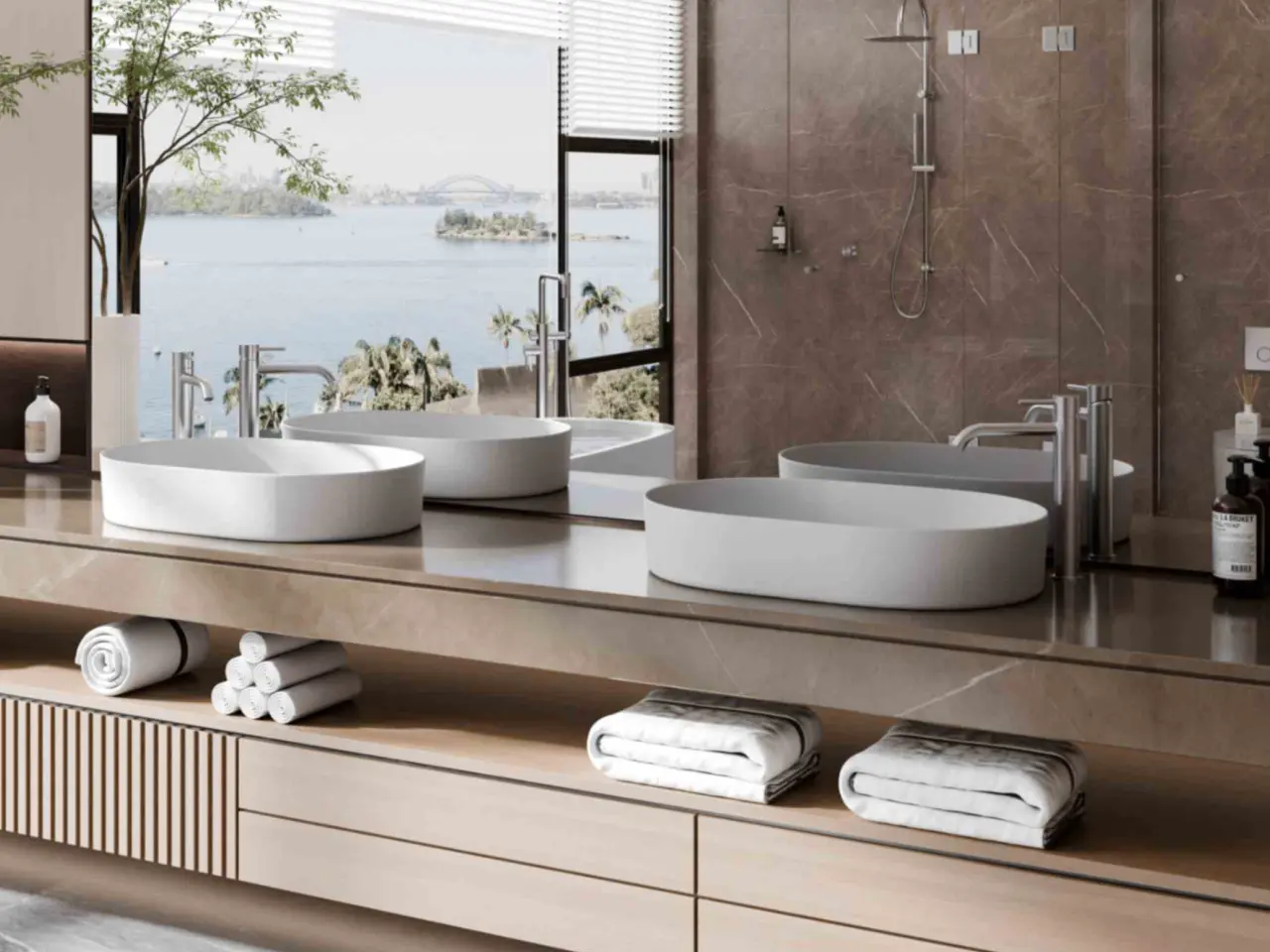
De todos os lavatórios fabricados com os materiais acima referidos, os lavatórios de cerâmica são os mais utilizados.
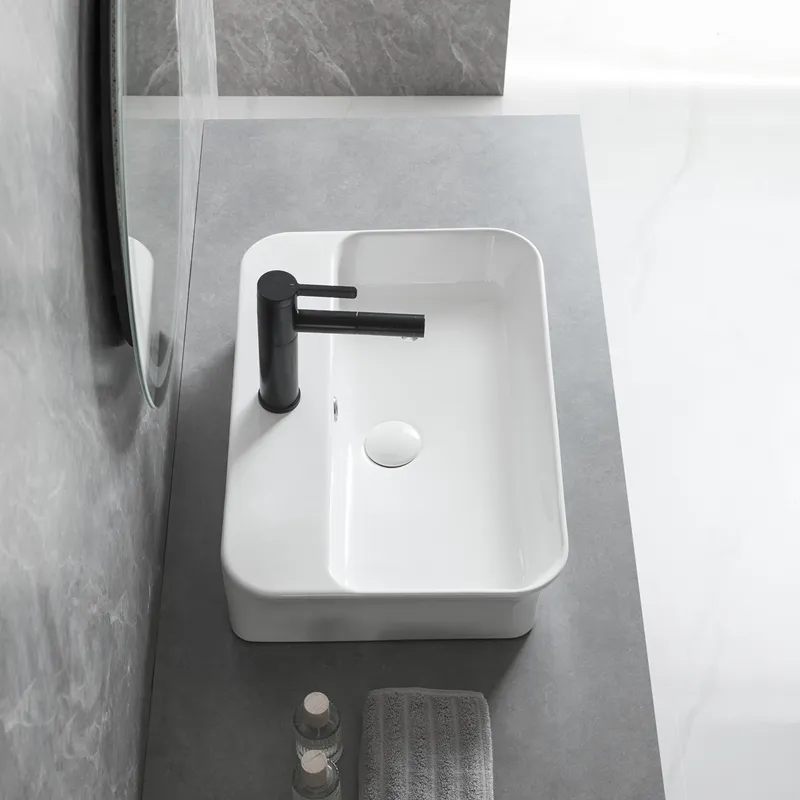
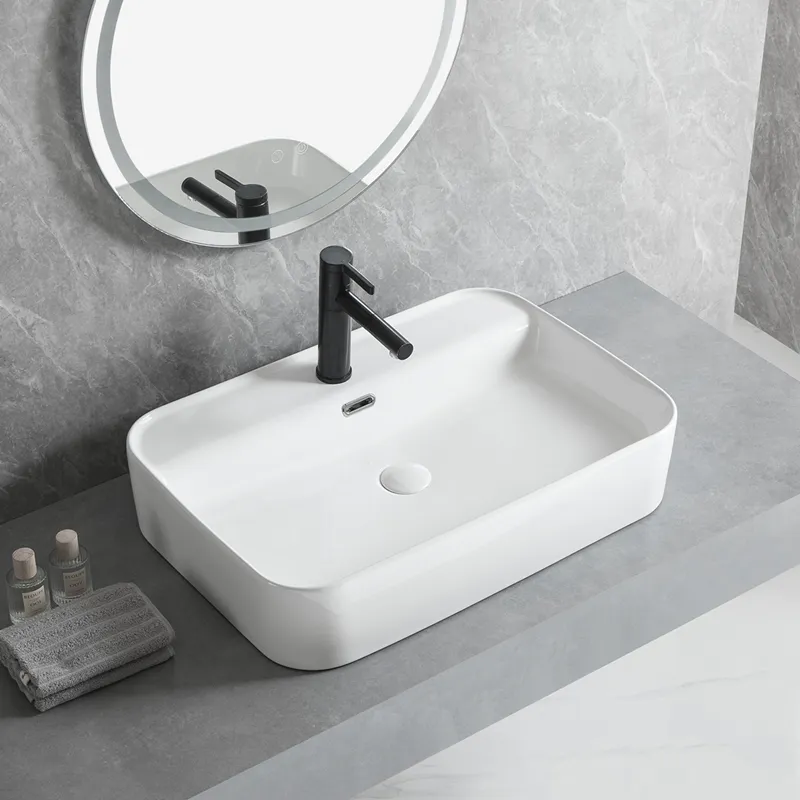
Porque é que a cerâmica é uma escolha popular para lavatórios de casa de banho
Os materiais cerâmicos são considerados os melhores porque proporcionam um excelente compromisso entre o custo, a durabilidade e o aspeto. Os lavatórios de cerâmica são fabricados em vários tipos diferentes; as cores tradicionais incluem o branco ou o marfim e os acabamentos modernos incluem cores mate. A superfície do lavatório de cerâmica é extremamente lisa, o que facilita muito a sua limpeza.
A cerâmica também não mancha muito facilmente, pelo que não necessita de manutenção frequente. Devido à sua resistência, é de esperar que durem muito tempo, desde que sejam tomados os devidos cuidados. Por este motivo, os lavatórios de cerâmica são uma escolha fantástica para a próxima renovação ou construção de uma casa de banho.
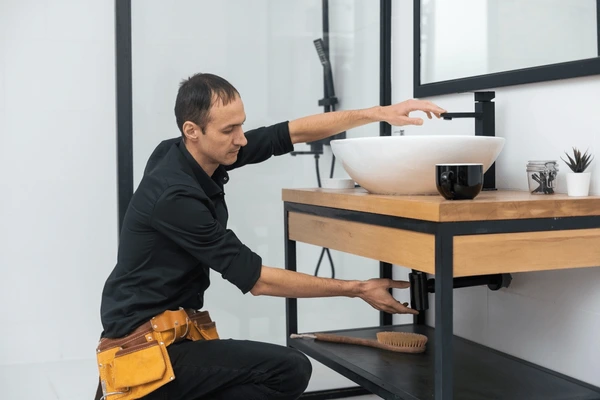
Dicas para escolher o lavatório certo
- Considerações sobre o espaço: As casas de banho mais pequenas beneficiam de lavatórios de pedestal ou de parede para poupar espaço, enquanto as casas de banho maiores podem optar por lavatórios de bancada com arrumação adicional por baixo.
- Altura e conforto: A altura do lavatório deve situar-se entre 80 e 85 cm para um conforto ergonómico.
- Suavidade: Certifique-se de que tanto a bacia como a bancada são lisas, com cantos arredondados para evitar a acumulação de sujidade e os choques.
Porquê escolher a cerâmica HanYu para os seus lavatórios de casa de banho?
Em HanYu, A nossa empresa é especializada no fabrico de lavatórios de cerâmica de alta qualidade que combinam beleza, durabilidade e praticidade. Com mais de 20 anos de experiência no fabrico de cerâmica, oferecemos uma vasta gama de produtos de cerâmica para casa de banho, incluindo serviços personalizados e OEM/ODM. O nosso compromisso com a inovação, o controlo de qualidade e a satisfação do cliente garante que fornecemos produtos de primeira qualidade que satisfazem as suas necessidades específicas.
Junte-se hoje à HanYu para o seu próximo projeto de renovação da casa de banho. Quer seja um designer, um empreiteiro ou um renovador de casas, estamos aqui para lhe fornecer as soluções perfeitas para casas de banho em cerâmica. Entre em contacto connosco agora para explorar a nossa gama de produtos e discutir os seus requisitos personalizados.