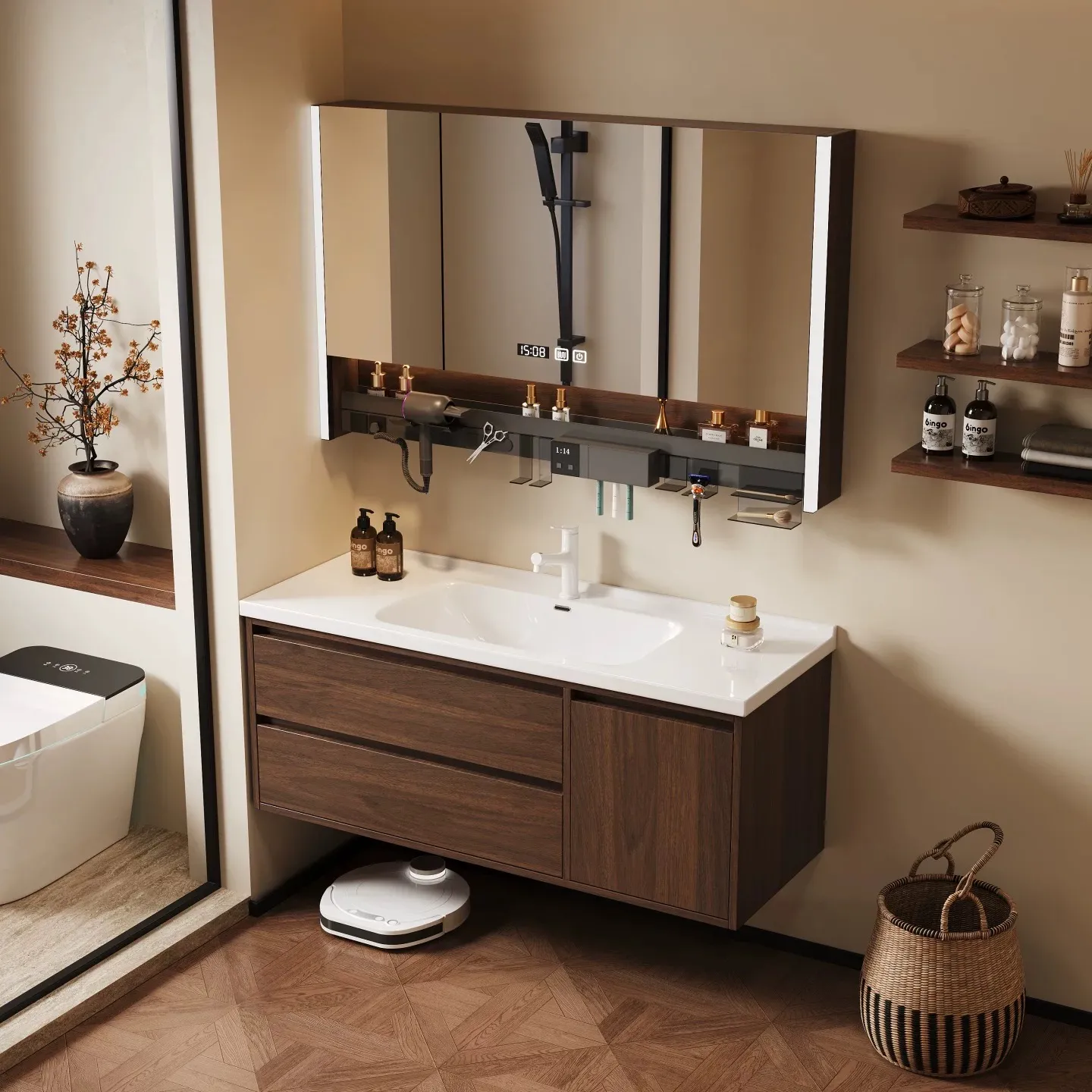

In home renovation, although the bathroom is not the most eye-catching focal point, its high frequency of use makes it a key area affecting living experience. The sink drainage method, as the “invisible hub” of bathroom functionality and aesthetics, has a far-reaching impact—choosing the right one ensures both tidiness, beauty and long-term durability; choosing the wrong one may lead to “renovation sequelae” such as blockages, leaks and difficult cleaning.
Currently, the mainstream sink drainage methods are wall drain and floor drain, each with its own characteristics and numerous installation details. Today, we will take an in-depth look at both.
I. Wall Drain: The “Aesthetic Champion” Hidden in the Wall
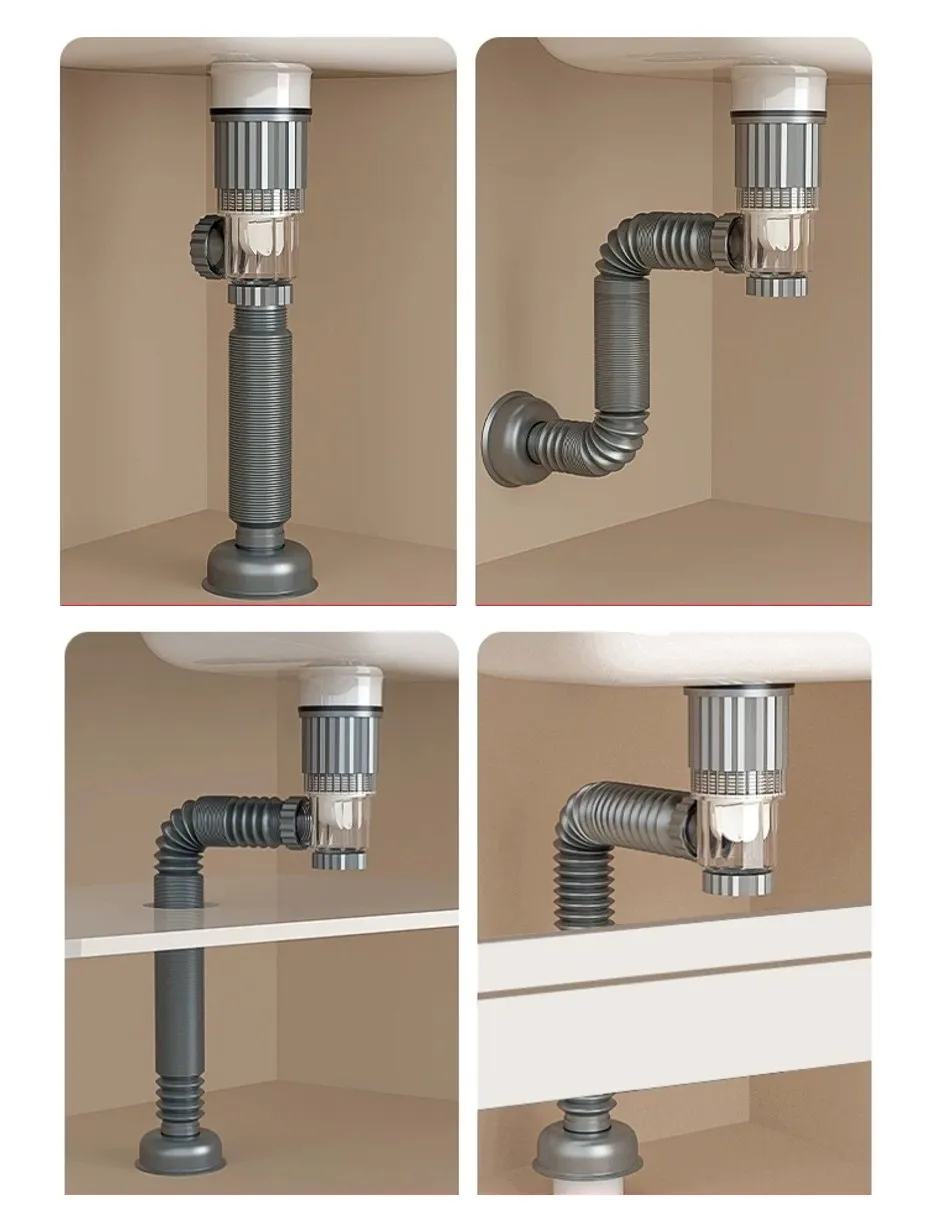
The core logic of wall drain is to embed the drainage pipe into the wall, allowing water to be discharged horizontally from the wall, completely eliminating the clutter of exposed pipes. This design aligns with modern people’s pursuit of “minimalist aesthetics” and has become the first choice for more and more families.
(I) Four Major Advantages of Wall Drain
- Appearance is Paramount
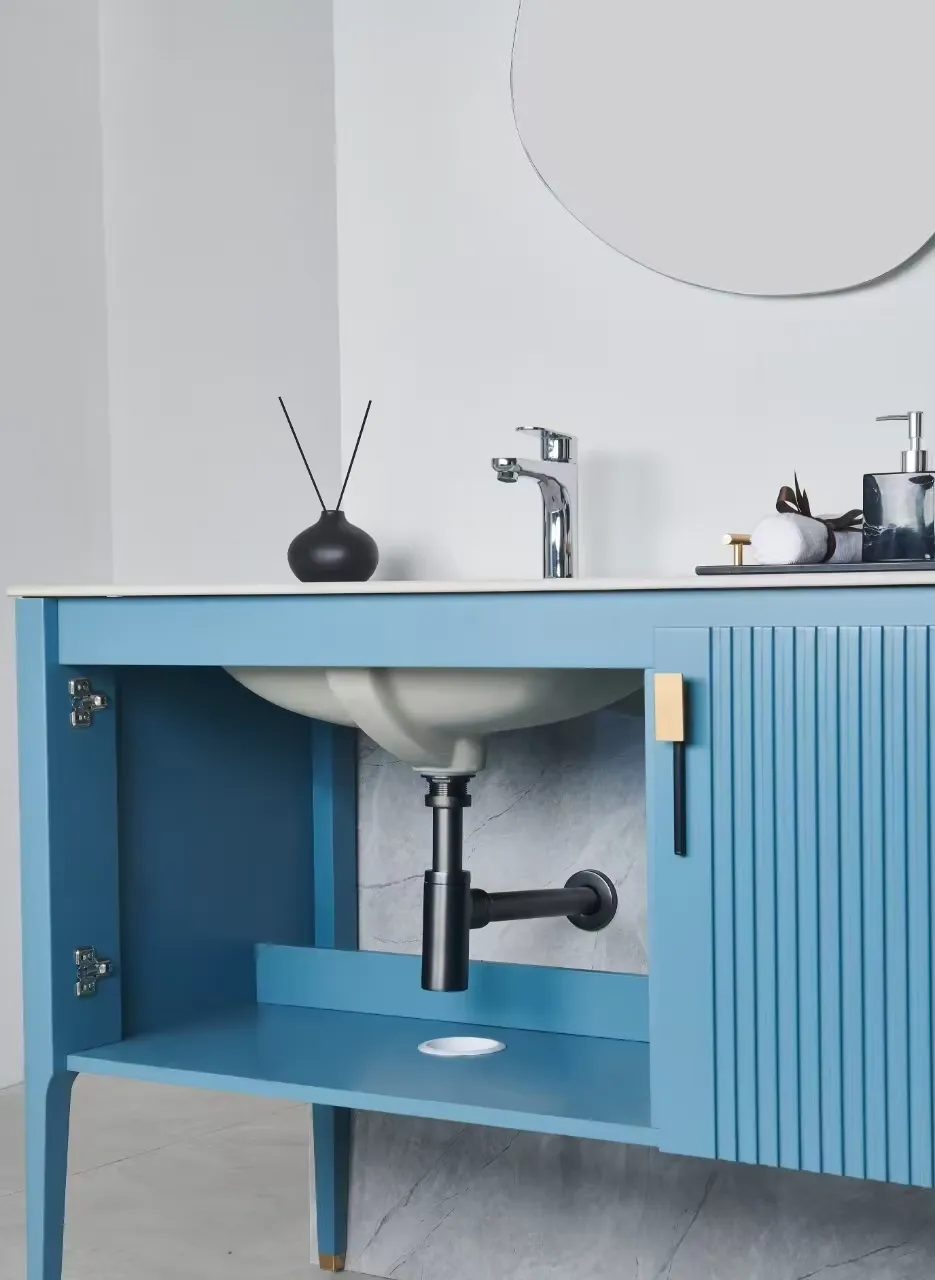
Without exposed pipes, the visual space under the sink is liberated. Whether paired with the lightness of a wall-hung sink or the clean lines of a custom bathroom cabinet, it fits perfectly, easily creating a minimalist style with “no sanitary dead ends”. - Effortless Cleaning
With pipes hidden in the wall, the floor can be fully tiled, allowing mops and robot vacuums to move freely. Even the gaps in the corners can be cleaned easily, solving the problem of “dirt accumulation” beside traditional floor drain pipes. - High Space Utilization
The space under the sink is no longer occupied by pipes, making it easy to place laundry baskets, dirty clothes buckets or children’s bathtubs. It is especially suitable for small bathrooms, ensuring every inch of space is put to good use. - Lower Noise
Water is discharged through pipes wrapped in the wall, reducing the noise generated by direct impact on the sewer. When used at night, it will not disturb family members’ rest, improving the overall living comfort.

(II) Hidden Disadvantages of Wall Drain
- Slightly Inferior Drainage Efficiency
Pipes need to detour inside the wall with many bends, so the water flow speed is slower than that of floor drain. If not cleaned regularly, impurities such as hair and soap scum are likely to accumulate at the bends, increasing the risk of blockage. - High Maintenance Cost
In case of pipe blockage or leakage, maintenance often requires removing part of the wall or tiles, which is not only time-consuming and labor-intensive, but also damages the decoration effect. The maintenance cost is much higher than that of floor drain. - Complex Installation and High Cost
It is necessary to slot the wall, lay pipes and do waterproof treatment. If the wall is a load-bearing wall, a false wall needs to be built to hide the pipes. The construction is difficult and the cycle is long, and the material and labor costs are also increased accordingly. The overall cost is usually 20%–40% higher than that of floor drain.
(III) Key Installation Considerations for Wall Drain
- Clarify Wall Conditions
Priority should be given to non-load-bearing walls for slotting and pipe laying; if it is a load-bearing wall, a false wall needs to be built. Attention should be paid to the stability and waterproof treatment of the false wall to avoid wall cracking or leakage in the later stage. - Pipe Specifications Matter
A 50mm diameter is generally sufficient for the sink drain pipe. If blockage is a concern, it can be upgraded to 75mm; a 135° elbow is recommended at the toilet drain outlet to reduce drainage residue. - Waterproof Sealing is the Core
The joints between pipes and walls and the position of access panels must be well sealed with high-quality waterproof coatings or sealants to avoid potential leakage—once water leaks, the maintenance difficulty is extremely high. - Reserve Access Panels
Reserve access panels at pipe bends or places prone to blockage to facilitate later maintenance and avoid large-scale wall demolition in case of failure.

II. Floor Drain: The Time-Honored “Pragmatist”
Floor drain is a traditional drainage method, with the drainage pipe vertically connecting the sink from the ground. With its stable and reliable performance, it is still a practical choice for many families.
(I) Three Major Advantages of Floor Drain
- Efficient Drainage and Less Prone to Blockage
The pipe route is basically vertical downward without extra bends, so the water flow speed is fast and impurities are not easy to accumulate. Even if blocked occasionally, it is easier to clear by disassembling the pipe, with convenient maintenance. - Simple Installation and Low Cost
No complex operations such as slotting or building false walls are required. It can be directly connected to the floor drain outlet. The construction difficulty is low, the cycle is short, and the technical requirements for workers are relatively low. The overall cost is 20%–30% lower than that of wall drain, suitable for families with limited budgets. - Convenient Maintenance
With exposed pipes, in case of water leakage, blockage and other problems, the fault point can be quickly located. Maintenance does not need to damage the wall, with low cost and high efficiency.

(II) Obvious Shortcomings of Floor Drain
- Poor Aesthetics
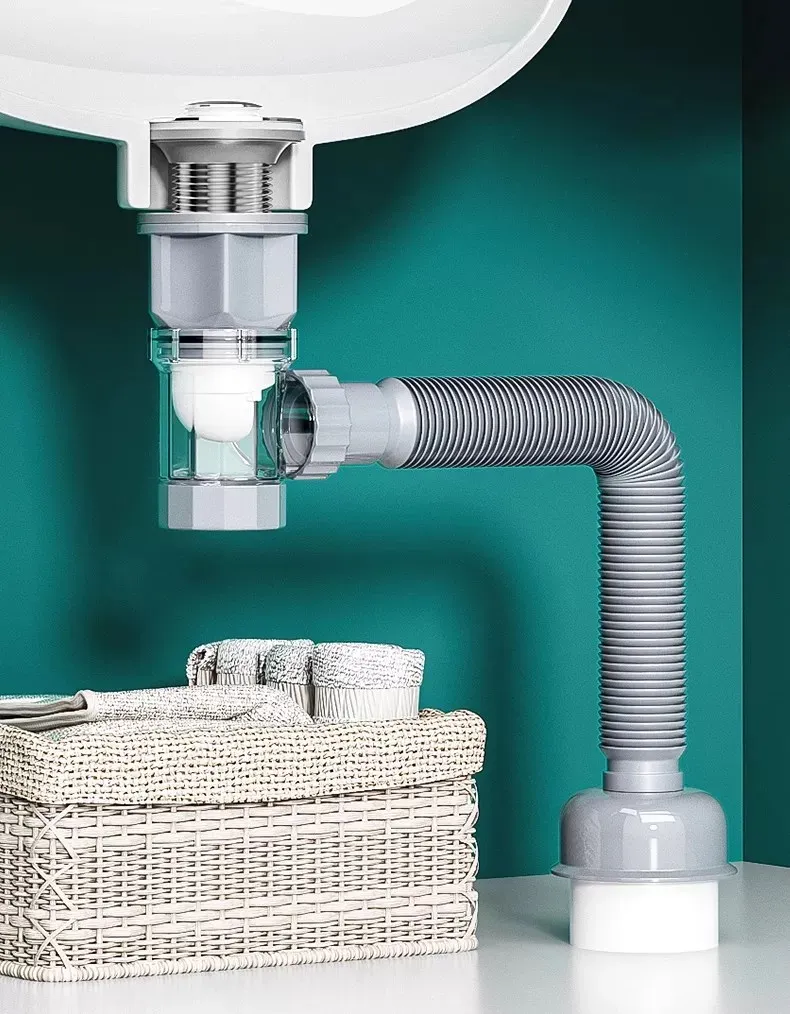
Exposed pipes affect the overall visual effect. Usually, bathroom cabinets are needed to cover them, but the coverage will occupy storage space, and the gaps between the cabinet and pipes are easy to accumulate dust, making cleaning inconvenient. - Space-Occupying and Sanitary Dead Ends
Pipes occupy floor space, limiting the storage layout under the sink. In addition, the connection between pipes and the ground is easy to accumulate dirt, becoming a “pain point” of daily cleaning. - Loud Noise
Water directly impacts the sewer, resulting in more obvious noise than wall drain, which may affect the night use experience.
(III) Essential Installation Points for Floor Drain
- Reasonable Drain Outlet Position
Plan the position of the drain outlet in advance, and try to be close to the corner to reduce the occupation of the space under the sink and facilitate the placement of items in the later stage. - Good Pipe Sealing
All pipe interfaces must be tightly sealed with waterproof glue, sealing rings and other materials to prevent leakage, especially the connection between the sink and the pipe. - Scientific Slope Design
The floor drainage pipe should maintain a slope of 2%–3% to ensure that water can smoothly flow into the main drain pipe and avoid water accumulation. - Odor Prevention Measures are Indispensable
Install a trap with deodorant function to effectively block the backflow of sewer odors and ensure fresh air in the bathroom.
III. How to Choose? Optimal Solution Based on Needs
When faced with wall drain and floor drain, there is no absolute “good or bad”, only “suitable or not”. It is necessary to comprehensively consider according to one’s own situation:
- Pursue Appearance and Space Sense with Sufficient Budget
Priority should be given to wall drain—suitable for families that pay attention to decoration quality and like minimalist style, especially small apartments, which can maximize space utilization. - Focus on Practicality and Cost-Effectiveness with Limited Budget
Choose floor drain—suitable for families that have high requirements for drainage efficiency and do not want to bear high maintenance costs, especially for old house renovation or decoration scenarios with tight budgets. - Flexible Adaptation for Special House Types
If the wall is a shear wall (cannot be slotted) or there is a ground beam, the construction difficulty of wall drain is high, so floor drain can be given priority; if the bathroom space is small and the storage demand is high, and the maintenance risk of wall drain is acceptable, wall drain can also be chosen.
IV. Summary: Drainage Method is the Balance Between “Functionality” and “Aesthetics”
Essentially, wall drain and floor drain are different choices between “appearance and convenience” and “efficiency and economy”. No matter which one is chosen, the core is demand-oriented and quality-guaranteed—advance planning and strict control of installation details can ensure the long-term and stable operation of the sink drainage system.
Tips: No matter which drainage method is chosen, it is recommended to use high-quality pipe materials (such as PVC-U) and find an experienced construction team to avoid hidden dangers due to material or process problems. Renovation is no trivial matter, and details determine success or failure. May every family have a beautiful and practical bathroom!
HANYU: Leading Ceramic Bathroom Sink Manufacturer & Supplier
As a professional ceramic bathroom sink manufacturer, HANYU has years of experience in designing and producing high-quality ceramic wash basins for residential and commercial projects. We understand how drainage structure, basin design, and installation details work together to ensure long-term performance, aesthetics, and ease of maintenance.
Whether you are sourcing wall-hung sinks, countertop basins, or customized ceramic solutions for projects, hotels, or brand retail, HANYU provides reliable manufacturing, strict quality control, and flexible OEM/ODM services.
📩 Contact HANYU today to discuss your bathroom sink sourcing needs and build durable, well-designed bathroom solutions together.