
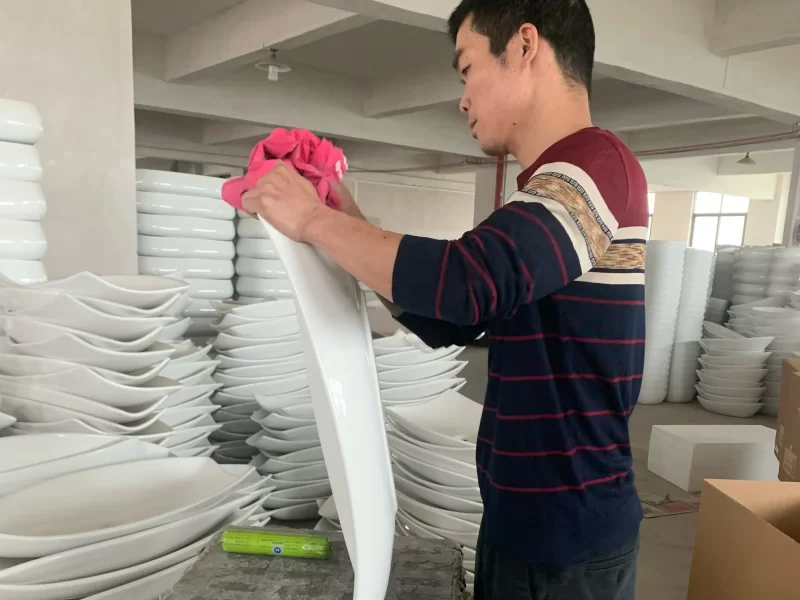
Производство керамических раковин включает в себя ряд процессов, требующих высокой точности, в том числе подготовку сырья, литье из шликера, формовку, сушку, глазурование и обжиг. В данном руководстве разъясняются различия между традиционным производством, конвейерным производством и формовкой под высоким давлением, чтобы помочь покупателям со всего мира сделать выбор надежные поставщики керамических раковин.
Производство высококачественной сантехники требует многоэтапной тщательной обработки. В производство керамических раковин, даже незначительное отклонение в качестве сырья, процессе формования, сушки или обжига может повлиять на качество конечного продукта.
На протяжении десятилетий в производстве керамических раковин традиционное мастерство сочетается с современными технологиями. Сегодня производители используют различные методы производства, в том числе ручное литье из шликера, конвейерное производство и формование под высоким давлением, чтобы удовлетворить разнообразные требования рынка.
Понимание процесса производства керамических раковин помогает международным импортерам, брендам сантехники и строительным компаниям выбрать подходящего поставщика с учетом стандартов качества, производственных мощностей и потребностей в индивидуализации продукции.
Подготовка сырья при производстве керамических раковин
Керамические раковины в основном изготавливаются из кремне-алюминиевой глины, в том числе:
- Каолин
- Кварц
- Полевой шпат
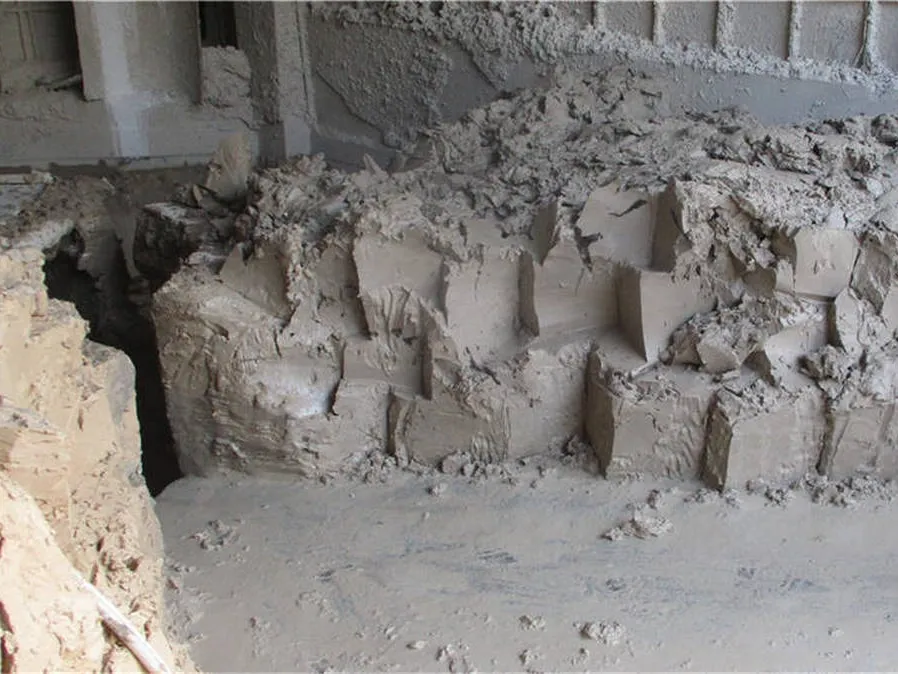
Для улучшения эксплуатационных характеристик, текстуры и долговечности продукта в его состав добавляются такие дополнительные компоненты, как тальк и оксиды металлов.
Перед началом формования сырье должно пройти строгий процесс подготовки:
1. Проверка и очистка сырья
Глина проходит проверку, просеивание и промывку для удаления примесей, которые могут повлиять на качество готовой керамической раковины.
2. Измельчение и очистка
Материалы измельчаются, просеиваются и очищаются от железа для достижения необходимого размера частиц и требуемой чистоты.
3. Подготовка слипа
С помощью фильтрации воды, выдержки и замеса производители регулируют содержание влаги и пластичность смеси в соответствии с требованиями к формованию.
Формула стабильного скольжения — одна из важнейших основ профессионального производство керамических раковин.
Три основных процесса производства керамических раковин
Различные заводы применяют разные технологии производства керамических раковин в зависимости от типа продукции, объема заказа и требований к качеству.
К трем основным методам производства керамических раковин относятся:
- Традиционное ручное литье в формы
- Конвейерное производство
- Литье под высоким давлением
1. Традиционное ручное литье в формы
Традиционное ручное производство было одним из самых ранних методов, применявшихся в китайской промышленности по производству сантехники.
Рабочие раскладывают гипсовые формы на земле и вручную заливают в них керамический шликер. Процесс формования в основном основан на естественном впитывании и высыхании.
Преимущества:
- Низкие капиталовложения в оборудование
- Гибкое производство
- Подходит для изделий, изготовленных по индивидуальному заказу
Недостатки:
- Высокие трудовые затраты
- Низкая эффективность производства
- Значительные различия между продуктами
- Ограниченные производственные мощности
Ввиду низкого уровня стандартизации этот метод в основном применяется в мелкосерийном производстве, при выполнении индивидуальных заказов или на рынках с небольшими объемами сбыта.
В современном производстве керамических раковин традиционные методы постепенно заменяются более стандартизированными.
2. Конвейерное производство керамических раковин
Конвейерное производство стало значительным шагом вперед в технологии изготовления керамических раковин.
Многие малые и средние заводы по производству сантехники и по сей день используют эту модель производства.
В ходе этого процесса:
- Керамические формы размещаются на производственных линиях
- Слип подается по трубопроводам
- Машины обеспечивают открытие и закрытие пресс-форм
- Оптимизированы процессы сушки и обработки
По сравнению с традиционным ручным литьем конвейерное производство керамических раковин позволяет значительно улучшить:
- Эффективность производства
- Стабильность качества продукции
- Производительность труда
- Контроль качества
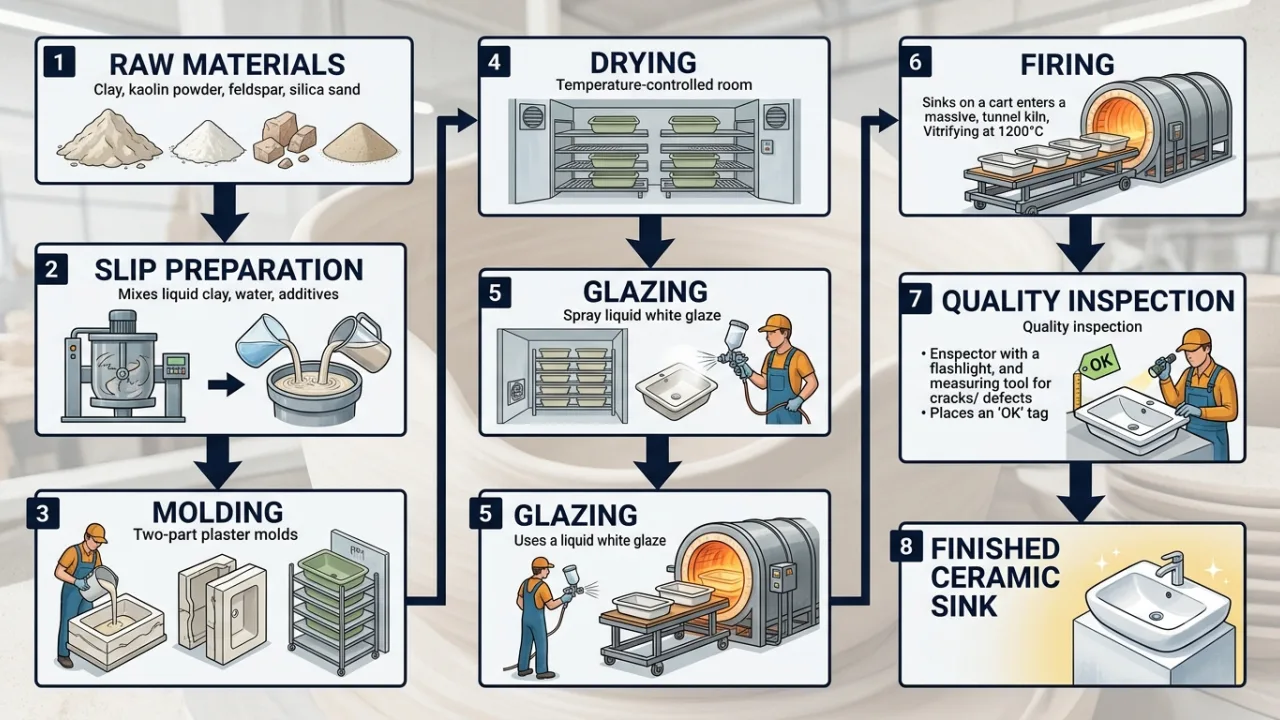
Производственная линия состоит из нескольких этапов, в том числе:
- Подготовка сырья
- Формование
- Сушка
- Стеклопакеты
- Увольнение
- Проверка
Данный метод подходит для крупносерийных заказов стандартных керамических раковин для ванных комнат.
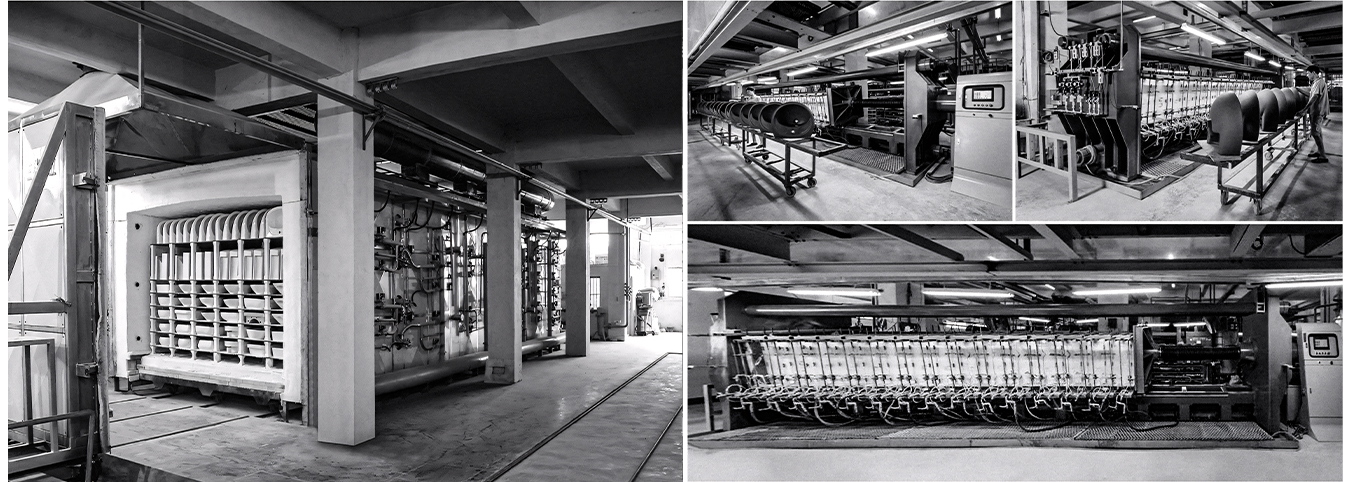
3. Производство керамических раковин высокого давления
Формование под высоким давлением является передовым направлением в современном производстве керамических раковин.
В данной технологии используется специализированное оборудование, позволяющее обеспечить высокую плотность и высокую точность формования.
К типичным процессам относятся:
- Литье керамики под высоким давлением
- Прессование стекловолокна
При литье под высоким давлением давление может превышать 1 МПа, тогда как при прессовании стекловолокна давление может составлять от 500 до 2 500 метрических тонн.
Преимущества:
- Короткий производственный цикл
- Высокая точность измерения
- Высокая стабильность качества продукции
- Сокращение объема ручной работы
Цикл литья можно сократить примерно до 10–16 минут, а срок службы форм может составить около 8 000–10 000 производственных циклов.
Ограничения:
- Значительные инвестиции в оборудование
- Дорогие пресс-формы
- Более подходит для стабильного серийного производства
Для брендов сантехники премиум-класса и крупных строительных проектов высокое давление производство керамических раковин обеспечивает более строгий контроль качества и повышение эффективности.
Сравнение различных методов изготовления керамических раковин
Масштаб производства и эффективность
Традиционное ручное производство
Подходит для:
- Заказы небольшими партиями
- Индивидуальные дизайны
- Рынки с небольшим объемом продаж
Однако скорость и мощности производства ограничены.
Конвейерное производство
Подходит для:
- Оптовая продажа керамических раковин
- Стандартные товары для ванной комнаты
- Крупные коммерческие заказы
Это позволяет обеспечить баланс между эффективностью производства и себестоимостью продукции.
Добыча под высоким давлением
Подходит для:
- Крупномасштабные проекты
- Товары для ванной комнаты премиум-класса
- Высокоточные керамические раковины
Несмотря на более высокие инвестиционные затраты, данная технология обеспечивает превосходную стабильность производства.
-

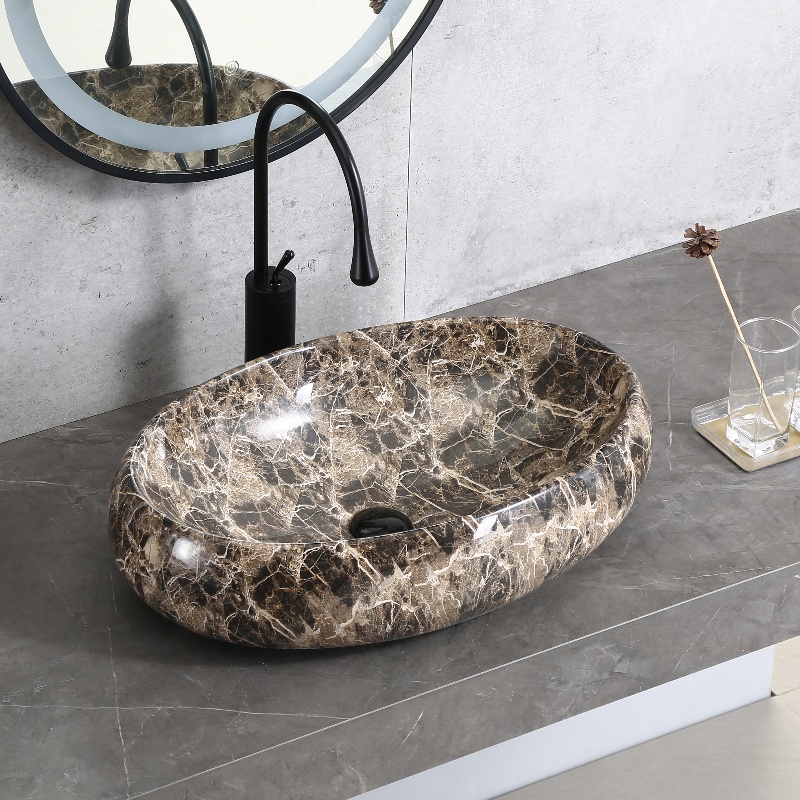
Горячие фарфора пользовательские сделал раковину, мрамор умывальник оптом
-
Европейский стиль керамические пользовательские бассейна, мраморный узор оптовая раковина
-
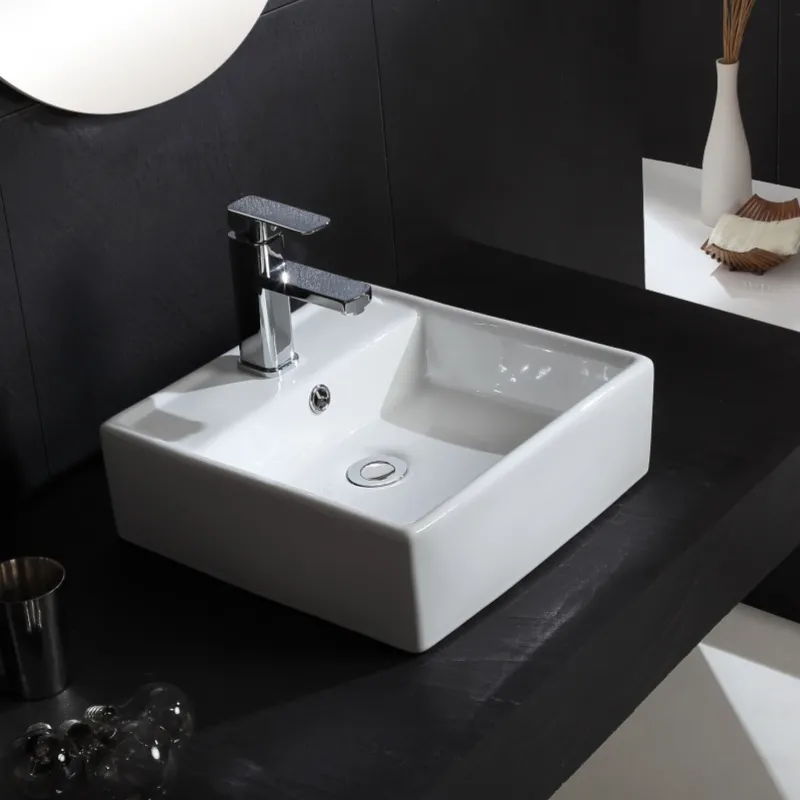
Уникальный пользовательский сосуд раковины, завод оптом керамические раковины
-
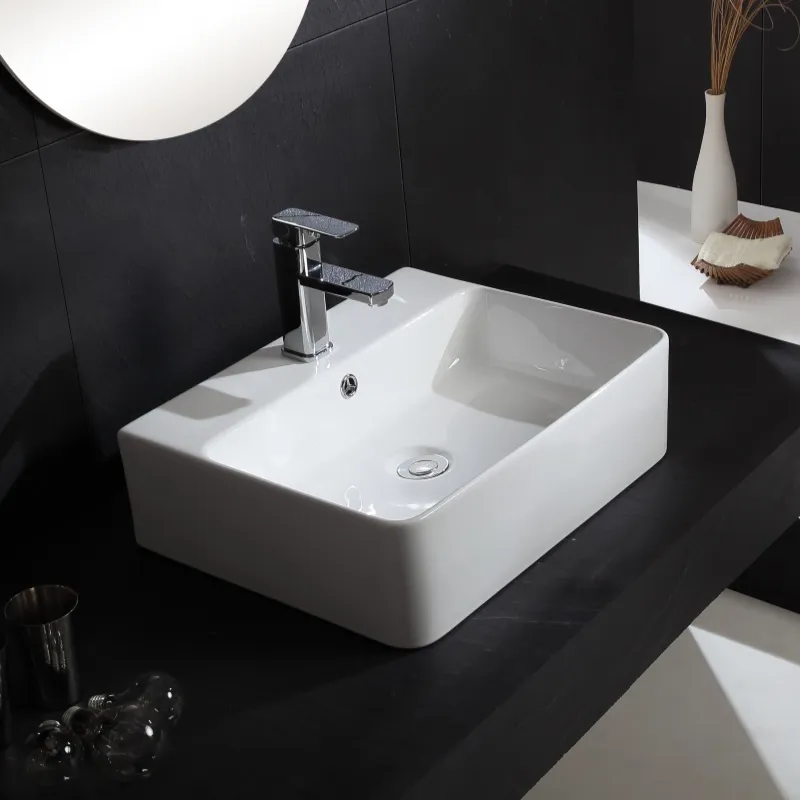
Глянцевый белый пользовательские фарфоровые раковины, оптовая столешница бассейна

Сравнение качества продукции и себестоимости производства
Традиционное производство
К числу распространенных проблем относятся:
- Отклонение по размеру
- Неравномерная глазурь
- Неоднородный внешний вид
Несмотря на низкую себестоимость продукции, стабильность качества оставляет желать лучшего.
Конвейерное производство
Серийное производство керамических раковин обеспечивает:
- Стабильное качество
- Более низкая себестоимость единицы продукции
- Более быстрая доставка
В настоящее время это наиболее широко применяемый метод производства основной линейки сантехнической продукции.
Добыча под высоким давлением
Производство керамических раковин высокого давления обеспечивает:
- Более высокая плотность
- Повышенная прочность
- Превосходная стабильность внешнего вида
Он идеально подходит для проектов по обустройству ванных комнат премиум-класса, где предъявляются строгие требования к качеству.
Сценарии применения различных производственных процессов
Традиционное ручное литье
Используется для:
- Индивидуальные проекты ванных комнат
- Небольшие жилые проекты
- Изделия нестандартной формы

Конвейерное производство
Используется для:
- Стандартные керамические умывальники
- Оптовая продажа товаров для ванной комнаты
- Проекты коммерческого строительства

Производство под высоким давлением
Используется для:
- Роскошные керамические раковины
- Комплексные решения для ванных комнат
- Высококачественная сантехника

Перспективы развития производства керамических раковин
Отрасль производства сантехники переходит от традиционного ремесленного производства к интеллектуальному производству.
Традиционное ручное производство стало началом развития керамических раковин.
Конвейерное производство способствует повышению эффективности и стандартизации.
Формование под высоким давлением представляет собой перспективное направление в производстве керамических раковин, сочетающее в себе автоматизацию, точность и стабильное качество.
Эта технологическая эволюция отражает переход китайской индустрии сантехники от традиционного производства к «умному» производству.
Часто задаваемые вопросы о производстве керамических раковин
Какие материалы используются при производстве керамических раковин?
Керамические раковины в основном изготавливаются из каолина, кварца, полевого шпата и других добавок. Эти материалы обеспечивают прочность, долговечность и гладкую поверхность после обжига.
Какой процесс производства керамических раковин лучше всего подходит для крупных заказов?
В настоящее время конвейерное производство является наиболее распространённым вариантом для крупносерийных заказов, поскольку оно обеспечивает стабильное качество, высокую эффективность производства и конкурентоспособную стоимость.
Для проектов премиум-класса, требующих более высокой точности, литье под высоким давлением является более подходящим решением.
Сколько времени занимает изготовление керамической раковины?
Срок изготовления зависит от метода производства, конструкции изделия и объема заказа. Передовые технологии производства керамических раковин позволяют значительно сократить время формования и одновременно повысить стабильность качества.
По каким критериям покупатели оценивают надежного производителя керамических раковин?
Международным покупателям следует учитывать следующее:
- Опыт работы на заводе
- Технология производства
- Система контроля качества
- Сертификаты
- Опыт работы в сфере экспорта
- Возможности настройки
Сотрудничайте с HanYu в сфере решений для керамических раковин
Сантехника HanYu профессионал керамическая раковина для ванной комнаты производитель с более чем 20-летним опытом производства керамических раковин. Мы предлагаем решения по схемам OEM/ODM, гибкую индивидуальную настройку и надежные поставки для мировых брендов, дистрибьюторов и проектов.
Ищете надежного поставщика керамических раковин? Свяжитесь с HanYu для получения индивидуальных решений и обсуждения возможностей оптового сотрудничества.